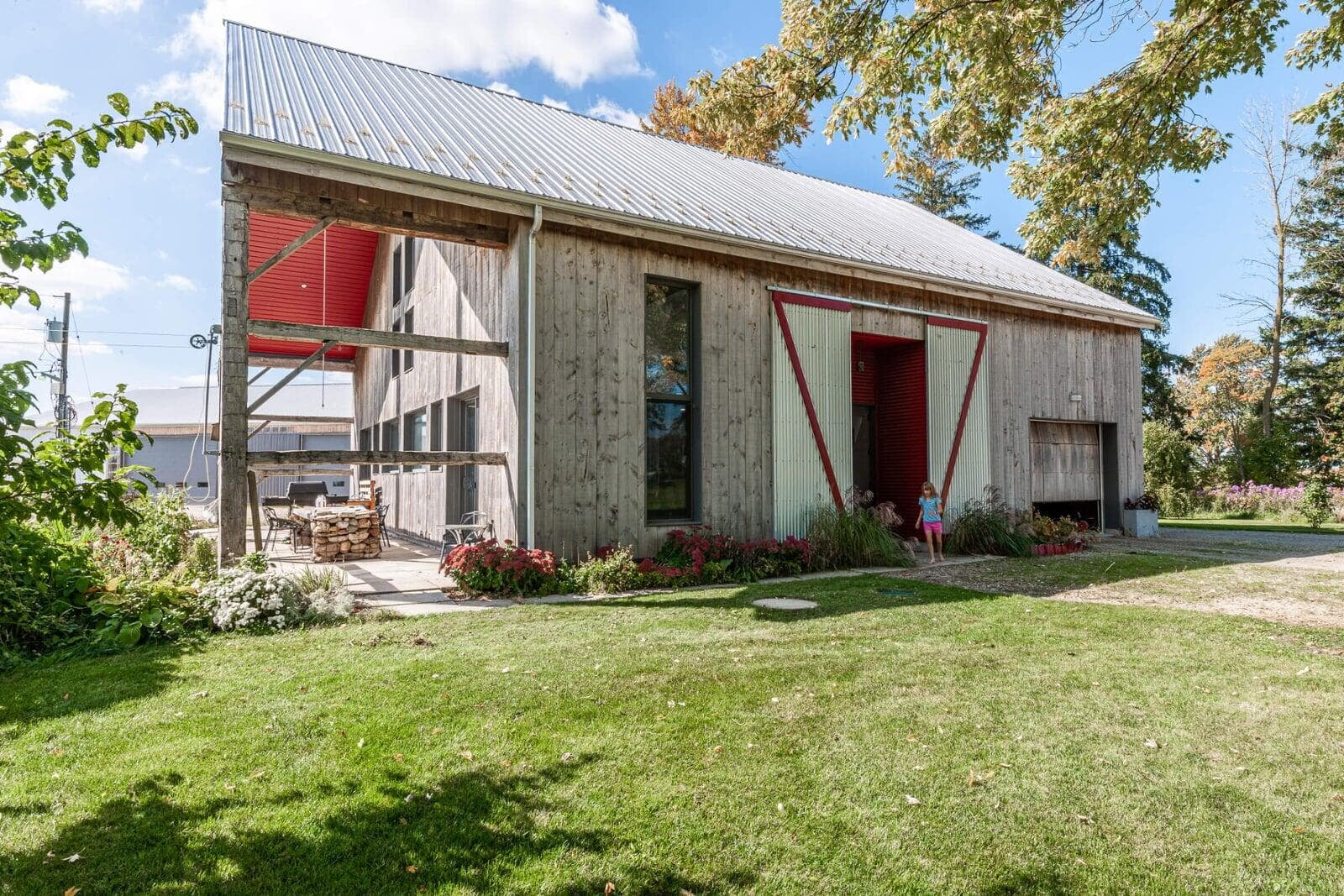
Turning an agricultural structure into a comfortable, high-performance home is one of the most rewarding rural building projects, but it also requires technical clarity. An energy efficient barn conversion isn't just about adding insulation or replacing old siding. It's about transforming a drafty, unconditioned building into a durable, airtight, and beautifully functional home that can handle the realities of rural weather.
Barns were designed to breathe, shed moisture, and support livestock or equipment, not to keep heat in or support plumbing, mechanical systems, or long-term residential comfort. This Top 10 list breaks down the key strategies that make an energy efficient barn conversion possible, grounded in practical steps and informed by the realities of Ontario's rural climate and rural building requirements.
1. Start With a Detailed Structural and Envelope Assessment
Understanding the Starting Point Saves Time and Money
Before any design or energy planning begins, the existing barn needs a full structural and envelope review. This includes evaluating:
- Timber or post-and-beam condition
- Roof and truss structure
- Foundation capacity and frost depth
- Signs of rot, water intrusion, or insect damage
This assessment determines what can be preserved, what needs reinforcement, and what conditions must be corrected before upgrading the building envelope.
2. Prioritize Exterior Continuous Insulation
Wrap the Barn, Don't Trap the Barn
One of the most effective ways to create an energy-efficient barn conversion is to add insulation continuously on the exterior. This keeps the original structure warm and dry, preserves heritage timber, and reduces thermal bridging. Exterior insulation allows the barn to retain its interior character without compromising performance.
Exterior insulation also leaves the beauty of the timber frame visible on the inside, rather than burying it in the walls.
Mineral wool boards, wood-fibre insulation, or rigid foam panels are common choices depending on environmental goals and budget.
3. Design an Airtight Building Envelope
Airtightness Matters More Than R-Value Alone
Air leakage is the enemy of energy performance. Old barns are leaky, so you can't just move in! You need to create a new skin around the barn. Creating airtightness means:
- Installing a dedicated air barrier membrane
- Sealing joints, penetrations, and structural interfaces
- Using high-quality tapes and gaskets
- Ensuring continuity at foundations, roofs, and openings
Good airtightness leads to dramatic improvements in comfort, heating efficiency, and indoor air quality.
4. Select High-Performance Windows and Doors
Rural Weather Requires Durable, Efficient Glazing
Windows are a major factor in any high-performance building, but even more so in a barn conversion with tall walls and open interiors. Investing in:
- Triple-pane glazing
- Proper thermal breaks
- Airtight installation
- Shading strategies for summer comfort
ensures that your converted barn is warm in winter and cool in summer.
5. Upgrade the Roof Assembly for Modern Performance
Roofs Are Where Barns Lose the Most Energy
Barn roofs are notorious for heat loss. Renovation strategies include:
- Adding exterior insulation above the deck
- Creating a vented cold roof assembly
- Using metal roofing for durability
- Improving the air barrier continuity through rafters and trusses
The roof is one of the single most important investments in an energy-efficient barn conversion.
6. Choose Mechanical Systems Designed for High-Performance Buildings
H3: Right-Sized Systems Improve Comfort and Reduce Costs
With a high-performance envelope in place, mechanical systems must be selected and sized correctly. Common solutions for energy-efficient barn conversions include:
- Air-source heat pumps
- Hydronic radiant in-floor heating
- Energy recovery ventilators (ERVs)
- Heat pump water heaters
These systems support even temperatures, good indoor air quality, and long-term efficiency-critical in rural climates.
7. Plan Moisture Management Carefully
Keep the Original Structure Dry and Protected
Moisture is one of the biggest threats to barn conversions. Because barns were designed to breathe, converting them into conditioned spaces requires careful attention to:
- Vapor control layers
- Drainage planes
- Humidity management through ERVs
- Avoiding condensation against historic timbers
A moisture-safe envelope ensures the building's longevity and protects irreplaceable materials.
8. Integrate Renewable Energy Early in the Design Process
Position Matters for Solar and Passive Gains
If you are considering solar photovoltaic panels, mini-split heat pumps, or solar hot water systems, integrate them early in the design process. Barns often have excellent roof exposure and space for ground-mounted arrays. Planning these systems upfront ensures:
- Proper roof load design
- Electrical capacity
- Mechanical room space
- Optimal orientation
Renewables can significantly reduce long-term operational costs.
9. Work With Professionals Experienced in High-Performance Rural Buildings
Barn Conversions Require Specialized Knowledge
An energy-efficient barn conversion involves expertise that goes beyond typical residential construction. Professionals experienced in:
- Rural permitting
- Conservation authority requirements
- High-performance envelope detailing
- Timber and post-and-beam reinforcement
- Mechanical system integration
provide clarity and reduce risk throughout the process.
Working with a team that understands rural structures means fewer surprises, more accurate budgeting, and a higher-performing final product.
Conclusion
An energy-efficient barn conversion is a balance of preserving history while embracing modern performance. By focusing on insulation, airtightness, moisture management, mechanical systems, and rural-appropriate materials, you transform an aging agricultural building into a comfortable, resilient home. The process requires clear planning and technical expertise, but the result is a structure rooted in the landscape and ready for decades of efficient living.
If you're planning an energy-efficient barn conversion and want expert guidance from the first feasibility review to final construction, you can schedule a design consultation or begin a project inquiry with VELD architect today.
Energy Efficient Barn Conversion: Common Questions
These questions reflect the concerns many rural property owners have about turning historic barns into comfortable, energy-efficient homes.
Is an energy-efficient barn conversion more expensive than a typical renovation?
Often, yes. High-performance insulation, airtight detailing, and mechanical upgrades add cost. However, these investments significantly reduce long-term energy use and create a healthier, more comfortable home.
Can I keep the original timber exposed and still meet energy efficiency goals?
Absolutely. Many owners choose to insulate on the exterior, preserving interior timbers while achieving excellent performance. This approach protects the structure and maintains the barn's character.
What's the most important factor in achieving energy efficiency?
Airtightness and moisture control. Insulation matters, but managing air leakage and humidity is what creates long-term comfort, durability, and low utility costs.